
LANAP and Implant Center
April 2021 Newsletter
|







World Oral Health Day
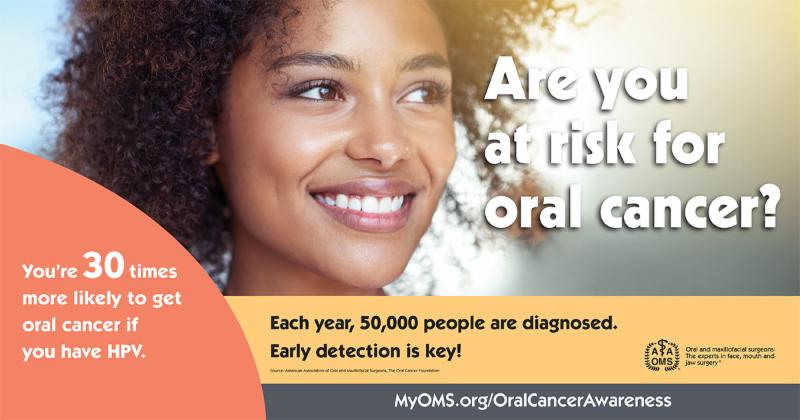
It’s March, which means that World Oral Health Day is upon us! It is celebrated globally every year on March 20th and is the largest global awareness campaign for oral health. March 20th is a day to celebrate oral health and spread the message about good oral hygiene practices for both adults and children alike so we are taking time to offer a refresher on how to maintain your dental regimen. We have put together some smart choices to help you have great oral health for a lifetime.
Your mouth is amazing as it helps you to eat, drink, speak and smile confidently. Whatever your age, taking care of your mouth is crucial not just for your teeth but also for your general health and wellbeing. An unhealthy mouth can cause pain, discomfort, disease, and even play a role in your mental health. It is never too early or too late to begin caring for your mouth.
Pledge to make a better effort at improving and maintaining great oral health this year.
Brush and Floss Daily
Brushing twice a day with FDA and ADA-approved toothpaste is a great place to start when working to improve your dental care routine. Toothpaste plays an important role in keeping your teeth, gums, and breath clean and fresh. Toothpaste comes in a variety of forms and flavors so be sure to ask your doctor which is best for you. However, toothpaste doesn’t do you any good if you don’t brush properly. Hold your toothbrush at a 45-degree angle to your teeth and gums, brushing gently in small circles for 2 minutes. Remember to replace your toothbrush every 3 months or once its bristles have become frayed and after every professional cleaning. Floss at least once a day to clean between your teeth and underneath gums. If you have little ones, pledge to teach them the importance of good oral health habits early with proper brushing and flossing even if they might need your help and supervision.
Commit to Regular Oral Check-ups
Brushing and flossing are great at preventing plaque buildup, but they cannot replace the effect of professional dental cleanings. Only a professional can remove tartar from your teeth, which is hardened plaque from food or other materials. Regular oral exams also enable your doctor to keep an eye on your oral health and treat any early signs of oral disease to keep you in optimal health at all times.
Keep Clean On-The-Go
Sometimes you don’t always have time to fully clean and brush your teeth when you are on-the-go. Help keep your mouth clean by having sugar-free gum, mini floss, travel-size mouthwashes, or on-the-go toothbrush kits on hand at all times.
Protect Your Teeth
Protect your teeth by taking proper care of your protective or oral health gear such as dentures, mouthguards, or orthodontic appliances. Remember to take the time to clean them as instructed by your doctor. For added protection, consider asking your doctor about sealants which can add a protective layer to your teeth to help protect them from cavities and keep them healthy.
Practice healthy habits
A healthy diet is beneficial in numerous ways! Be sure to cut back on sugary snacks, processed foods, and caffeine. Eat a well-balanced diet full of fruits, vegetables, whole grains, protein, and healthy fats. For families, adopting new routines together can be fun and helps to keep family members accountable. If you are of age, you should limit your alcohol and tobacco usage.
This oral health day we want everyone to unite for oral health because a healthy mouth enables us to enjoy life to the fullest, and that’s something worth pledging for. For more information on oral health day and good oral hygiene habits, contact The LANAP and Implant Center today.
March 2021 Newsletter
|

All On 4 Implants
Many people dislike dentures because they can be painful, inconvenient, unstable, and make chewing food difficult. Modern dentistry and the All-on-4 procedure allow you to say goodbye to dentures once and for all! All-on-4 contemporary treatment has revolutionized the way we replace a full set of teeth. This aesthetic full-arch rehabilitation provides you with the teeth that you have been looking for!
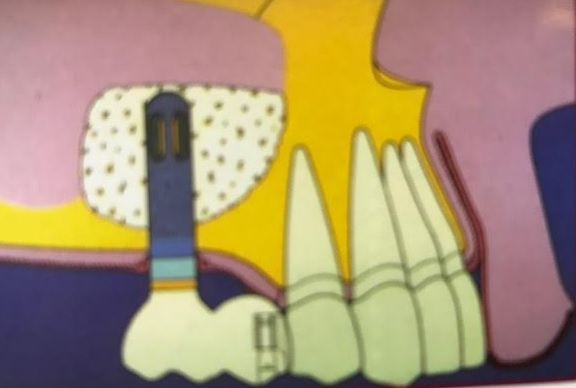
The All-on-4 treatment concept replaces your missing teeth with a provisional full dental non-removable fixed bridge supported by only 4 titanium dental implants in either your lower or upper jaw. With fewer implants needed, overall treatment time and cost are reduced.
The unique All-on-4 solution also ensures greater stability in the bone, reducing the need for bone graft surgery which is normally necessary to increase bone volume. Your new teeth are crafted in the time between your initial consultation and your dental implant placement, allowing for your All-on-4 teeth to be placed on the same day as your dental implant supports. After a short healing period, the final bridge will be placed and you can continue using your non-removable teeth to chew, laugh, and smile every day!
For more information about our All-on-4 implants, contact The LANAP and Implant Center today. We would love to help you achieve the smile of your dreams!
January 2021 Newsletter
|



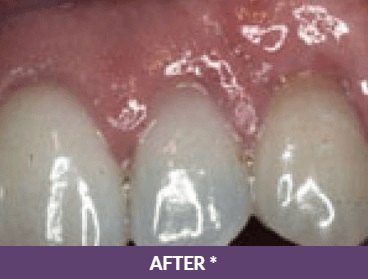


Gum Disease Awareness
 February is Gum Disease Awareness Month and oral health professionals across the globe are taking the time to raise public awareness about gum disease. Our goal is to educate the public on gum disease and the consequences of leaving it untreated while encouraging patients to take a more active role in bettering their oral health.
The mouth can be a busy place. It is home to millions of bacteria, and while some aren’t as harmful, others can attack your teeth and gums. The good news is that gum disease is preventable with quality, daily brushing and flossing along with routine dental exams and cleanings. With the proper care, gum disease can be prevented and in most early stages can even be reversed. Anyone who has gum disease or the sign or symptoms should see a periodontist.
What is gum disease?
Gum disease, also known as periodontal disease, is a condition where bacterial growth within the mouth causes irritation and infection of the surrounding and supporting tissue of teeth. One of the most common causes of gum disease is the build-up of plaque that hardens into tartar which can only be removed by professionals.
There are two stages of gum disease: gingivitis and periodontitis. Let’s take a closer look.
Gingivitis
Gingivitis is the first stage of gum disease. The common symptoms of gingivitis include swollen or red gums that bleed during brushing and flossing. There is no bone or tissue damage at this stage and teeth are firmly rooted in place. This stage is reversible with dental cleanings and good oral hygiene habits.
Periodontitis
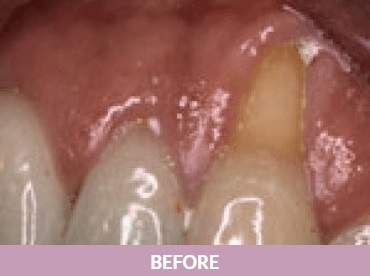
Periodontitis is the second stage of gum disease and is the result of gingivitis being left untreated. During this stage, the inner layers of gum and bone have receded from your teeth and formed pockets. These pockets allow for food and bacteria to grow inside leading to possible infection. Common symptoms of periodontitis include sensitive teeth, receding gums, shifting or loss of teeth, and bad breath. Periodontitis requires professional treatment and possible surgical options.
Treatments
The goals of treatment for gum disease are to reduce inflammation, decrease pocket depth, and stop and prevent further bone loss (including teeth). Treatment varies from patient to patient and depends on the type of gum disease as well as the condition to which it has progressed.
Treatment options may include home care such as maintaining a healthy diet along with proper brushing and flossing. Brushing only eliminates plaque from the surfaces, so remember to floss to remove plaque from in between teeth and under the gum line.
At The Lanap and Implant Center, we use LANAP, or laser-assisted new attachment procedure, to treat patients with gum disease. This treatment procedure is completed in a single office visit without any scalpels or the need for sutures like traditional treatment options. Instead, a laser fiber is placed between the teeth and gums and selectively targets the diseased tissue to kill harmful bacteria and remove harmful toxins. LANAP gum disease treatment also cleanses the affected area while promoting healthy cell regeneration to reduce pocket depth.
This procedure can be performed several times if needed, without any harmful side effects. Your periodontist will request a follow-up appointment after a few weeks to evaluate your healing and decide if further treatment is needed. By using LANAP to treat patients with gum disease along with our bio-health nutritional protocols, bite management, and risk factor modifications we are able to provide patients with superior results without surgical intervention.
The LANAP & Implant Center Difference
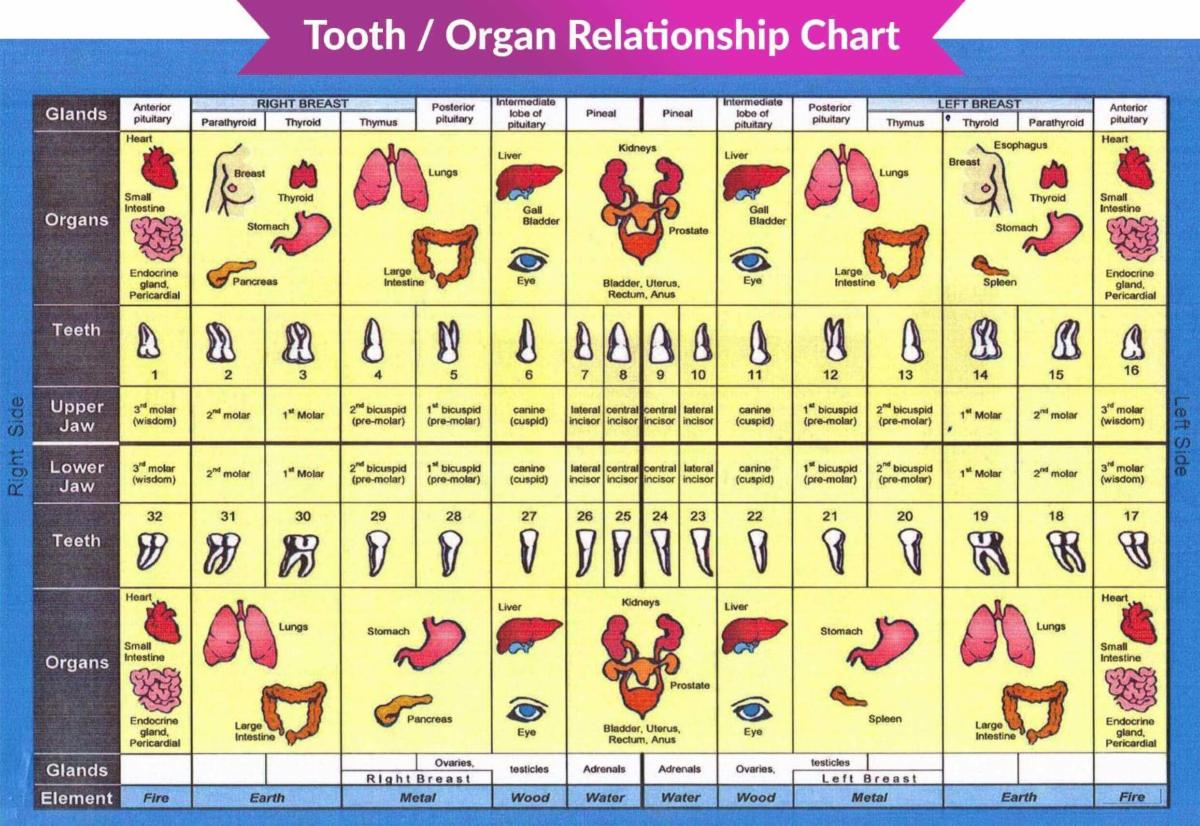
Up to 70% of all chronic diseases are associated with problem areas in the oral cavity. The oral cavity remains a nidus for acute and chronic inflammation including bacterial yeast, fungus, and viral pathogens. This dysbiosis disturbs the voltage of the human body, creates a cellular imbalance, vascular disturbances, and sets up a pattern for disease and illness. The oral cavity remains deeply connected to each organ system and all cranial nerves. It remains the most overlooked aspect of health and wellness.
Therefore, balancing is critical. For this reason, comprehensive dental detoxification and rehabilitation become crucial in establishing health and wellness. As a result of Dr. D’S specialty training in Periodontics and Implantology in early 1990 at the University of Pennsylvania and over two decades of periodontics and dental implant expertise, complex restorations can be delivered with astounding predictability and biologic long term success in a single transition.
Dr. D has understood and integrated the fundamentals of integrative medicine/Dentistry for decades and focused his patient care on immune support, risk factor reduction, and detoxification of both local and environmental risks. Dr. D has been involved with metal-free implantology and titanium implantology for over a decade at his Pennsylvania clinic.
Our team integrates LANAP, acupuncture, nutritional protocols, reflexology, homeopathy, and aromatherapy to advance our outcomes along with a defined pre and post-therapy protocol to optimize your body’s response. We are currently utilizing metal-free implants developed by The Swiss Biohealth institute. We work with your integrative medical doctors to ensure a complete understanding of the necessary diagnosis and develop a plan to maximize your health.
At the heart of our mission, we believe saving your teeth is always the best option to keep your neural, meridian, and biological systems/pathways intact. We have refined our non-surgical integrative LANAP protocol for over a decade to create single visit options for the reduction of infections and detoxify the mouth along with neuromuscular and occlusal balancing. We perform all the necessary remediation in one appointment usually under anesthesia with our team anesthesiologist Dr. Anthony Demarco.
For more information about our services or to schedule an appointment, contact The LANAP and Implant Center today.
TMJ Treatment
What do TMJ and TMD mean?
You may have heard your friends and family describing their diagnosis of TMJ, with symptoms of a clicking jaw or earaches, while others refer to it by a different name, TMD. Though these terms can sound the same, they refer to different conditions and we are here to offer you a better understanding of what TMJ and TMD are and how they may affect you.
TMJ and TMD
TMJ is an abbreviation for the temporomandibular joint which connects the mandibular, or your lower jaw, to the temporal bones of the skull. The TMJ is one of the more unique joints within your body as it allows you to move your jaw forward, backward, and side to side so that you can chew, talk, sing, yawn, and more. This joint can be found just in front of your ears on both sides of your head.
Any problem with the muscles, ligaments, discs, bones, or the joint itself are known as temporomandibular disorders or TMD and refers to the actual disorder, where the jaw joint is misaligned and causing problems such as pain, inflammation, and inability to move or operate the jaw. However, these problems or conditions are often incorrectly called by the joint name of TMJ instead.
What are the causes of TMD?
There can be a variety of causes for TMD and can arise from problems with the jaw, the muscles near the jaw, or the joint itself. If you notice some of these symptoms, it is important to see your doctor who may refer you to a specialist to determine the cause of the oral problem. Some common causes for TMD include:
- Injury to the joint, jaw, or muscles along your neck and face
- Whiplash
- Grinding or clenching your teeth which puts pressure on the joint
- Movement or dislocation of the soft cushion, or disc, between the joint parts
- Arthritis of the joint
- Stress, which can cause you to tighten facial or jaw muscles
- Tooth/jaw misalignment
Signs & Symptoms
Patients with TMD often experience severe pain and discomfort that can be temporary or chronic. Symptoms depend on the severity and cause of your condition and can show on one side or both. There are many signs and symptoms of TMD that can overlap with other conditions, which makes a diagnosis by your doctor all the more important.
Some of the most common symptoms of TMD include:
- Pain in the face, jaw, or ear area
- Headaches
- Earaches
- Pain or pressure around the ears, face, and behind the eyes
- A clicking or popping sound when opening or closing the mouth
- Dislocation of jaw
- Locked, stiff, or stuck jaw
- Tenderness of jaw muscles
- Limited jaw movement
- Swelling of the face
- Dental occlusion (the way the upper or lower jaw/teeth fit together)
Diagnosis
As stated above, many of the symptoms of TMD can overlap with other conditions such as tooth decay, gum disease, sinus problems, or arthritis. To determine the cause, your orthodontist will conduct a physical examination and medical history review.
During your appointment, your jaw will be tested for pain or tenderness, and your doctor will examine how your jaw works when you open and close it while listening for clicks, pops, or sounds when you operate your jaw. Your bite and facial muscles will also be tested. It is not uncommon for x-rays, MRIs, and CT scans to be required to determine the cause as these images can provide insight into the joint, surrounding tissues, and structures of your jaw. Depending on the diagnosis, you may need to be referred to another doctor or specialist for further evaluation and treatment.
Treatment
Several different treatment options are available depending on your condition and the severity of your symptoms. In most mild cases TMD can be treated with self-care practices at home. Home methods include:
- Taking over-the-counter medication to relieve muscle pain and swelling
- Using moist heat or cold packs
- Eating soft foods or cutting your food into smaller pieces so you chew less.
- Avoiding hard, crunchy, or chewy foods
- Limiting extreme jaw movements that force you to open your jaw wide
- Reducing stress levels
- Performing jaw stretching exercises
If your symptoms do not improve with these home remedies or if your case is more complex, your doctor may prescribe pain medication, anti-inflammatory medicine, muscle relaxants, or even Botox to reduce tension in muscles and nerves. Your doctor may also provide you with custom made bite guards or splints to prevent clenching or grinding of your teeth.
Other treatment options may include low-level laser therapy, ultrasound therapy, or low-level electrical stimulation to provide muscle relief. If misaligned teeth or bite is the cause, corrective dental treatment may be necessary. In extreme cases, surgery can help to remove fluid or debris from the jaw or replace/realign the joint.
Every case is unique, and a careful diagnosis and treatment plan will help to address your needs. If you have any questions about TMD or your temporomandibular joint, please contact our office today so that we can help.
How Diabetes May Affect Your Oral Health
Did you know that over 30 million people in the United States are currently diagnosed with diabetes? It is estimated one-third of adults in the United States may not even know they have diabetes. As the numbers rise in our country, awareness is vital to the prevention and management of this disease.
Diabetes is a serious medical condition that can affect your entire body. However, often the consequences for your oral health may be brushed over. Research suggests that the link between diabetes and oral health may stem from your blood sugar levels. Patients with uncontrolled diabetes could have higher blood sugar levels, and as such, be at an increased risk of developing certain oral health conditions. This month, we want to raise awareness about the conditions that may be affected by diabetes and how you can take charge of your oral health in preventing these conditions.
Cavities
Your mouth naturally contains many types of bacteria. Some are harmful and some are good. When you eat or drink, the starches and sugars from your meals interact with bacteria and form a sticky film known as plaque on your teeth. The acid produced by plaque eats at the surface of your teeth and, if not brushed or flossed away, can weaken your enamel and lead to tooth decay.
If you have high blood sugar levels, the higher glucose levels in your body may add to the supply of sugar and starches in your mouth, producing more acid and leading to an increased risk of cavities and tooth decay.
Dry mouth
Studies show that some patients with diabetes may produce less saliva making them prone to developing dry mouth. Salvia helps fight off harmful bacteria from your teeth. With less saliva, dry mouth may lead to an increased risk of sores, ulcers, tooth decay, and gum disease. Medication used to regulate blood sugars may also cause dry mouth.
Gingivitis
Gum disease, also known as periodontal disease, is a condition where bacterial growth within the mouth results in an infection of the surrounding and supporting soft tissue and bones of the mouth. The first stage of gum disease is called gingivitis. The buildup of bacteria turns into plaque and irritates the gums causing them to become swollen, red, and recede. Patients may also note some bleeding when brushing or flossing.
Gum disease is often caused by plaque buildup and though there is no difference in buildup between those with diabetes and those without, diabetic patients are more susceptible to infections thus increasing their risk of developing gum disease.
Additionally, as stated above, gum disease can lead to an elevation in blood sugar levels that may cause complications for diabetic patients. High blood sugar levels can also encourage plaque buildup furthering the development of gum disease and making it harder for patients to control their blood sugar levels and gum disease.
Periodontitis
Periodontitis is a more advanced stage of gum disease and is the result of gingivitis being left untreated. During this stage, the inner layers of gum and bone have receded from the teeth and formed pockets. These pockets allow for food and bacteria to grow inside leading to further infection. Common symptoms of periodontitis include sensitive teeth, receding gums, the shifting or loss of teeth, and bad breath. If left untreated, the infection can further spread into the supporting soft tissues and bone in the mouth and jaw area. Periodontitis requires professional treatment and possible surgical options.
Thrush
As mentioned previously, diabetic patients are more likely to develop infections. Bacteria aren’t the only organisms in the mouth that can be harmful. Fungal yeast infections such as thrush are also common in patients with uncontrolled diabetes. Thrush can cause painful white or red patches on the tongue or inside of your mouth that may open into sores. This condition is also common in patients with oral appliances such as dentures.
How To Lower Your Risk
We will work with you and your healthcare team to ensure that your smile remains healthy and beautiful. The best thing you can do to prevent these oral health problems is to practice good oral hygiene. With the help of your dentist and doctor you can take the following steps to improve your health and control of diabetes:
1. Commit to managing your diabetes. Monitor your blood sugar levels and follow your healthcare team’s instructions to keep your levels within the target range. The better control you have of diabetes and your blood sugar, the more you can reduce your risk of developing these oral health conditions.
2. Brush your teeth at least twice a day for two minutes in the morning and night. If possible, brush after meals and snacks as well. Use a soft-bristled toothbrush in a gentle circular motion on your teeth and gum line. Remember to replace your toothbrush every three months. Floss your teeth once a day as it helps to remove leftover food and plaque from between your teeth and under your gum lines.
3. Visit your dentist at least twice a year for professional cleanings, x-rays, and examinations. Make sure you inform your dentist if you have diabetes and remind him or her at every appointment. Share your doctor’s information with your dentist and report any early signs of gum disease, pain, loose teeth, or other unusual symptoms.
Though managing diabetes is a lifelong commitment, diabetes doesn’t have to control your life or smile. Understanding the risk and knowing how to prevent these conditions is a great step towards keeping your smile happy and healthy. For more information on how diabetes can affect your oral health or to schedule an appointment, contact The LANAP and Implant Center today.
November 2020 Newsletter
|
October 2020 Newsletter
|