

LANAP and Implant Center
November is National Diabetes Month: How it Can Affect Your Dental Health
November is National Diabetes Month, and as we raise awareness we also want to examine our lifestyle routines to make sure we are not only managing diabetes well but are also taking the proper preventative measures to ensure that this disease doesn’t affect other areas of our bodies. Did you know that people who have diabetes are at a higher risk of developing periodontitis, or advanced gum disease? Those with diabetes are also more susceptible to tooth decay, gingivitis, thrush, and dry mouth. Fortunately, these conditions and diseases are preventable if you maintain a healthy dental regimen while managing your diabetes.
Taking Care of your Mouth and Body
If you haven’t already established a healthy dental regimen, talk with your dentist about how you can improve your daily hygiene routine. Make sure your dentist is aware that you are a diabetic. Studies have shown a link between periodontal disease and an increased risk of diabetic complications, so always keep regular appointments for cleanings and examinations and make sure you are managing your diabetes as directed by your doctor. Keeping your blood sugar at a healthy level can help further prevent the development of periodontal disease.
When maintaining your at-home care, always check for any signs of gum disease such as any redness, swelling, or bleeding at the gums. If you begin experiencing dry mouth or any new pain, talk to your dentist. Brush your teeth with a soft-bristled toothbrush at least twice a day and floss at least once a day. Talk with your dentist about possibly adding an antiseptic mouthwash to your daily dental regimen. Avoid smoking, as this is an additional risk factor for periodontal disease.
Other considerations
In addition to maintaining a healthy dental regimen, there are a few details that might be beneficial for you to consider when scheduling dental appointments and procedures. Try scheduling your exams and cleanings in the morning. Usually, this is the time of day when blood sugar levels are optimal and the risk of hypoglycemia is reduced. Be mindful of the time of day when you have peak insulin activity. If mornings are not a good time for you, try to schedule your appointments around the parts of your day when you feel the best and when your blood sugar is best under control.
Here at The LANAP and Implant Center, we know you have a choice when it comes to your dental care. We are proud to help you manage your dental routine in conjunction with the treatment you’ve been prescribed for the management of your diabetes. For more information or to schedule an appointment, contact us today.
5 Non-Sugary Halloween Treat Alternatives
Halloween is just around the corner, which means an endless supply of sugary treats from trick or treating. Kids get a ton of candy from school parties, friends, neighbors, or relatives during Halloween. Sometimes the candy is so much it can last up to thanksgiving or Christmas time! However, the sugar crash is detrimental to you and your child’s teeth and overall health. More people are looking for creative alternatives to sugar to keep their kids from unhealthy sugary treats. Additionally, with the rising number of food allergies, it would be best to avoid traditional candy treats. Your child can develop cavities nearly overnight, and they would have to undergo expensive, painful dental restoration procedures, something that can be easily avoided.
Despite this, it is still important for those passing out treats and your kids to have fun and enjoy the festivities. You can still find a middle ground and enjoy Halloween in plenty of healthier and fun ways without being the Halloween Grinch. Here are non-sugary treats that your kids can enjoy for Halloween.
1. Go for Nonsticky Fruits
You can give your kids healthier alternatives to trick or treating by putting together a fun bag of yummy fruits. But this does not mean you give them dried fruit because it contains high sugar. Consuming large amounts of dry fruits could lead to weight gain, and the fruit can stick between teeth and erode the enamel. Instead of giving your kids sticky fruits, you can swap them with healthier fruits like:
- Bananas
- Blueberries
- Apples
- Grapes
- Cranberries
- Oranges
You can get creative with the fruits and ask your kids to help you make spooky fruits like bananas, strawberry ghosts, frightful fruit kebabs, or pumpkin oranges. Your kids will have fun helping you be creative with the fruit monsters while keeping your mind at ease, knowing they won’t indulge in the typical cavity-filled Halloween candies.
2. Low Sugar Chocolates and Candies
There are various zero-sugar chocolate companies that sweeten their chocolate bars with natural sweeteners that taste great and are healthier for the teeth. You can also try healthy alternatives to candy treats like Halloween pretzels, peanut butter cups, pudding cups, Goldfish, or other types of sugar-free snacks. You can find a variety of nonsugary treats in your local grocery store or online.
3. Bubbles for Trick or Treaters
Kids love blowing bubbles, and you can incorporate them in goody bags or as one-piece giveaways for the little ones as they come to trick or treat. They are a great way to keep the kids relaxed and distracted from the candy. Bubbles are inexpensive, and you can find various bubble bottles with different Halloween-themed designs like ghouls, ghosts, monsters, vampires, or mummies. Additionally, you can avoid some candies that cause choking hazards, like lollipops, tootsie rolls, and skittles.
4. Stickers
You can get an assortment of Halloween stickers as early as September and fill them up in your candy bowls. There is a variety to choose from, like glow-in-the-dark, scary, or goofy ones. You can buy a selection of them in bulk, and the little ones can select the ones that appeal to them. If you cannot find Halloween stickers, you can go with popular cartoon-themed characters that kids love these days.
5. Chilled Water Bottles
Kids get dehydrated easily from running around to collect their stash of candy. Chewing on sugary treats can make your kids pretty thirsty, and what better way to quench their thirst than with a cool bottle of water. Additionally, water helps to flush out or buffer the acid attack in the teeth brought about by eating candy. It may seem odd to hand out mini water bottles for treats, but parents and kids will highly appreciate them. Keep the mini water bottles in an ice cooler to keep them chilled and refreshing before passing them around. You can also quench their thirst with healthy juices to keep them re-energized.
Tips on Avoiding Sugar During Halloween
Kids learn through observation. If you consume candy in moderation or restrict yourself from overindulging, your kids will do the same. If you practice good habits and show your kids that candy is not something they should value, they will pick up on it and become less interested. You can allow them to eat some candy on Halloween but afterward, let them know the remaining candy can only be eaten at snack time and let them stick to the rules.
Keep your kids full by feeding them their favorite meal to keep them satisfied before going trick or treating. After eating, there is usually more saliva in the mouth, which will come in handy to protect their teeth from an acid attack that occurs after eating candy.
According to studies, kids denied candy completely tend to overindulge when they come across candy more than those who eat some candy regularly. Limit the amount of candy they can eat, and you can occasionally allow them to choose the type they like.
After binging on candy, ask your kids to drink lots of water right away and wait 30 minutes to an hour before brushing. This is because the acid in the sugary treats can temporarily weaken your child’s enamel. Therefore, brushing immediately after eating candy puts their teeth at irreparable enamel damage (chipping or breaking).
Here are some candies you should stay away from if you are not planning on avoiding candy altogether during Halloween:
Hard candy: This can break your tooth or harm your jaws when you try to bite on it. Additionally, it is highly concentrated in sugar, and as you suck on it, your teeth are constantly coated with sugar, exposing them to more damage. This greatly increases your child’s risk of tooth decay and gum disease.
Gummy worms: They are highly acidic and can wear out the enamel leading to tooth sensitivity and other dental issues.
Sticky or chewy candy: These sticks or wedges between teeth increase the risk of cavities.
Conclusion
The best way to stay away from candy is to keep it away from your home. Keep healthier options at home, educate your kids on the importance of avoiding candy, and remind them to continue flossing and brushing daily.
For more information please contact The LANAP and Implant Center.
October 2022 Newsletter
|






September is National Gum Care Month
Did you know that over 60 million Americans struggle with gum disease annually? September is National Gum Care Month! Good oral health care is important every month of the year, but during September we focus on educating patients about the importance of your gum’s health and preventing gum disease.
Why is Gum Care Important?
When imagining dental health, teeth seem to be the primary focus– but your gums are equally important! Gums protect your teeth by securing the roots of your teeth which allows your teeth to function optimally. Improper gum care can damage your teeth and put you at risk of developing gum disease. Gum disease, also known as periodontal disease, is the infection and irritation of gums and soft tissues that surround and support your teeth. It is classified into two stages: gingivitis and periodontitis.
Gingivitis is the first stage of gum disease and is often painless and occurs when plaque is not removed consistently from your teeth. Fortunately, this stage can be revisable with proper dental cleanings and better oral hygiene habits.
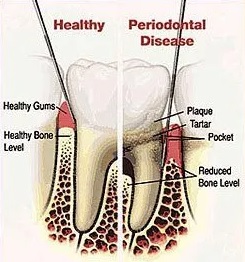
Periodontitis is the advanced stage of gum disease and occurs when toxins from the bacterial plaque begin to spread not only into the gums but bones and ligaments that support your teeth. Over time it can lead to the loss of tissue and bone, causing your teeth to loosen and begin shifting. This stage of gum disease is not reversible and can only be managed through professional dental treatment which may involve surgery if severe.
Signs of Gum Disease
- Bad breath or taste in the mouth
- Changes in how your upper and lower teeth fit together
- Gaps or pockets along your gum line near your teeth
- Gums that bleed easily
- Gums that have recessed or pulled away from teeth, exposing roots
- Permanent teeth that begin to separate or become loose
- Red, swollen, or tender gums
See your dentist if you suspect you may be developing gum disease. The sooner you are
diagnosed and begin treatment, the higher your chance of successful treatment and recovery.
Lower Your Risk
Follow these dental recommendations to lower your risk of developing gum disease:
- Brush your teeth twice a day with a soft-bristled toothbrush and ADA-approved fluoride toothpaste for at least two minutes. Remember to brush at an angle on every surface of your teeth as well as along and around your gum line.
- Replace your toothbrush every 3 months or once the bristles become worn
- Floss once a day to remove bacteria, plaque, and food debris that your toothbrush can’t reach
- Rinse with an antimicrobial mouthwash to remove unwanted bacteria
- Schedule and attend routine dental exams and cleanings to monitor your oral health
- Eat a well-balanced diet
- Drink plenty of water daily
If you have an underlying medical condition such as diabetes, speak with your dentist about how your condition can be affected by your oral health and ways to lower your risk of gum disease.
For more information on caring for your gums and how we can help or to schedule an appointment, contact The LANAP and Implant Center today.
September 2022 Newsletter
|


Early Signs Of Oral Cancer
There are over 300,000 cases of oral and lip cancer worldwide. Oral cancer, also known as mouth cancer, develops in the mouth’s tissues (oral cavity). Men are at a higher risk of getting it than women.
What Is Oral Cancer?
This is a life-threatening condition if not diagnosed and treated early. It presents itself as growths or sores in the mouth that do not go away. Many cases are discovered when it has already spread to the neck lymph nodes. It is essential to have regular dental visits, which involve an examination of the mouth, lips, throat, and face. Additionally, your doctor may also screen you for oral cancer. To be safe, it is essential to know the early signs of oral cancer should they occur.
Oral cancer occurs in the following areas of the body;
- Roof of the mouth
- The last part of the tongue
- Lips
- Cheeks
- Tonsils
- Gums
- The sides and back of the throat
- Sinuses
- Inner lining of the cheeks mouth
- Floor of the mouth
There are several types of mouth cancers, categorized as head and neck cancers Cancer that affects the mouth and the oropharynx is known as oropharyngeal cancer.
Grades and Stages of Oral Cancer
The stages and grade of oral cancer help determine your treatment. It also lets the doctors know how cancer might behave or present itself. The three grades include:
Grade 1: This means that the cancer cells look like typical mouth cells. It is a low grade of oral cancer.
Grade 2: This is the intermediate grade. It looks slightly different than typical mouth cells.
Grade 3: This is the highest grade, and the cancer cells look abnormal, unlike the normal mouth cells.
A physical examination and the results of your tissue biopsy will determine the stage of your cancer. The following are the basic stages of oral cancer:
Stage 0 Mouth Cancer: It is also known as carcinoma in situ (CIS), the very early stage of oral cancer. In this stage, the abnormal cells in the lip lining and oral cavity are likely to become oral cancer.
Stage I Mouth Cancer: This describes the earliest stage of invasive cancer, meaning the tumor has not spread to the lymph nodes, tissues, or other organs. The tumor is not more than 2 centimeters and is 5 millimeters deep or less.
Stage II Mouth Cancer: In this stage, cancer has not spread to the nearby lymph nodes or organs, and the tumor is 2 centimeters or smaller but not more than 4 centimeters, deeper than 5 millimeters, but not deeper than 10milimetres.
Stage III Mouth Cancer: The cancer is any size, but one lymph node contains cancer cells, and the tumor is larger than 4 centimeters.
Stage IV Mouth Cancer: This means cancer has advanced. It may be any size and has spread to nearby tissues, other parts of the oral cavity, and areas beyond the mouth such as the lungs. The lymph nodes are more than 3 centimeters in size.
Oral Cancer Symptoms
Common symptoms include:
- Mouth pain
- Chronic bad breath
- Loose teeth
- Ear pain
- Dramatic weight loss
- Mouth sores that do not heal
- Unexplained bleeding in the mouth
- Numbness, loss of feeling in the face area, mouth, or neck
- Soreness or feeling like something is caught at the back of the throat
- White or red patch on the inside of the mouth
- Hoarseness, chronic sore throat, or change in voice
- A growth, swelling, bump, crusts, or lumps inside the mouth
- Pain or difficulty swallowing or chewing
- Lower lip, neck, face, or chin numbness
When To See A Doctor
You should make an appointment with your doctor as soon as you have persistent pain lasting more than two weeks or an infection.
Oral Cancer Causes and risk factors
The exact cause of oral cancer is not known. The following factors may increase the risk of oral cancer:
Most mouth cancers begin in the squamous cells lined up in the lips and the inside the mouth cavity. Mouth cancers develop when lips or mouth cells mutate their DNA. The mutation changes inform the cells to continue growing and multiply while the healthy cells continue to die. A tumor is formed by the accumulated abnormal cancer cells. The cancerous cells spread to other areas in your mouth and eventually other body parts.
Human papillomavirus (HPV) is a sexually transmitted virus and those sexually active get HPV at some time in life. This virus causes cancers of the mouth, especially in men over 50 years and those with multiple sexual partners.
Other risk factors include:
- Gender: Men are more likely to have oral cancer than women
- Age: Most people get it after 55 to 60 years
- Family history of oral cancer
- Smoking: Cigarette and cigar smokers are six times more likely to get it than nonsmokers.
- Tobacco users: Chewing tobacco, snuff, or dip users are 50 times more likely to develop cancers of the gum, cheek, and lining of the lips
- Alcohol consumption: Excessive alcohol can increase the risk of oral cancer six times more than nondrinkers.
- Poor diet: Studies link oral cancer with not eating enough fruits and vegetables.
- Excessive exposure to the sun’s ultraviolet rays (UV) especially when young, can cause lip cancer.
- A weakened immune system can increase the risk of oral cancer.
Oral Cancer Diagnosis
The determination of tests to be done is based on your condition. Tests include:
Physical examination: An oral screening exam is done by a dentist who will check and feel any lump or tissue changes in the neck, head, face, and oral cavity. They will look for any sores or discolored tissues and other abnormalities.
An endoscopy might be done to get a better look into your mouth. Cell samples may also be examined under a microscope. Your doctor may take biopsy samples depending on the nature of the problem.
Your doctor may order imaging tests to determine how far it spread. They include:
- X-rays to show the areas cancer cells have spread
- CT scan to reveal the tumors present and where
- MRI to show the head and neck images and determine the stage of cancer.
- PET (Positron emission tomography) to determine if the lymph has been affected, including other organs
- Endoscopy to examine the sinuses, inner throat, windpipe, nasal passages, and tracheas.
Oral Cancer Treatment
Treatment depends on:
- Whether cancer cells have spread to other parts of your body
- Size and location of the main tumor
- Your overall body health
- Type of oral cancer
- Your age
Treatment options include:
- Radiation therapy and chemotherapy
- Drugs to destroy any remaining cancer cells
- Drugs like ibuprofen or acetaminophen and stronger ones like morphine for pain relief
- Nutritious food that is gentle and smooth to the throat because poor appetite and weight loss are common
- Mouth hygiene is crucial. Keep the mouth moist, gums and teeth clean
- Immunotherapy helps boost the immune system
- Targeted therapy for early and advanced stages of growth
- Surgery to remove the cancerous growth. The tumor’s location determines the type of surgery.
Prevention
There is no proven way to prevent oral cancer. However, you can minimize the risk by:
- Quitting smoking or use of any tobacco-based products
- Drink alcohol in moderation or stop drinking altogether
- Eat a well-balanced diet
- Limit excessive sun exposure and wear a UV-A/B-blocking sunscreen and wide-brimmed hats to protect your lips and face from the sun
- Make an appointment with your dentist regularly
- Practice good oral habits by brushing and flossing twice daily
- Conduct a self-examination test at least once a month, like feeling your lips and gums and looking at them to check for abnormalities.
- Oral cancer screening for people in the age bracket of between 20 -40 years is essential
Oral cancer is treatable. Get screened regularly to prevent the condition or detect it in its early stages for effective treatment. For more information please contact The LANAP and Implant Center.
Lower Your Risk of Oral Cancer
It is estimated that there are 50,000 new oral cancer cases diagnosed annually in the United States. As dentists, we believe that raising awareness about oral cancer and associated symptoms can help you be prepared, and act quickly should you notice any of the signs. Early detection allows for more successful treatment rates.
What is Oral Cancer
Oral cancer, also known as oral cavity cancer or mouth cancer, is cancer that develops on the lips, inside the mouth, throat, and esophagus.
Oral cancer is divided into two groups: cancer that forms in the oral cavity or cancer that forms in the oropharynx. The oral cavity consists of the lips, cheek, the inside of the mouth, teeth, gums, tongue, and the floor and roof of the mouth. The oropharynx refers to the middle region of the throat and includes your tonsils and the base of the tongue.
Although an individual’s cause of cancer can be unclear, certain lifestyle factors can increase your risk of developing oral cancer. These lifestyle choices include tobacco usage, alcohol consumption, sun exposure, and protection against certain diseases such as HPV, or human papillomavirus. Other risk factors can include age, sex, and genetics.
Signs of Oral Cancer
Oral cancer can occur anywhere in the mouth including the salivary glands, pharynx, larynx, and throat making it difficult to check on your own. However, common signs of oral cancer can include the following:
- Abnormal changes in your voice
- Chronic ear pain
- Chronic sore throat
- Difficulty chewing, talking, swallowing, or moving the tongue
- Feeling as though something is caught in your throat
- Flat patches of tissue that appear velvety in texture (may be different colors such as red or white)
- Numbness in the oral cavity
- Pain or tenderness in the mouth or lips
- Soft tissue that appears to be rough, thickening, or crusty
- Sores that do not heal
- Swelling in your mouth, throat, jaw, or lips
- Unusual lumps
These symptoms can apply to a variety of oral health conditions aside from oral cancer, so it is important to mention these symptoms to your dentist should you notice them. If these symptoms do not disappear within 7 to 14 days, seek immediate attention.
How Your Dentist Can Help
It can be difficult to self-examine your mouth and throat, fortunately, your dental team is trained to spot subtle signs of potential concerning conditions. During your routine appointments, your dentist conducts an oral cancer screening. These examinations are painless and quick but vital to ensuring your oral health.
Oral cancer screenings consist of checking the oral cavity–lips, cheek, lining, gums, tongue, and the floor of the mouth and roof of the mouth. We also examine the back section of the tongue, where the tongue attaches to the mouth, tonsils, and soft tissue of the throat. The last part of the screening involves feeling the jaw and neck for any abnormalities. We may also use dental x-rays to identify any risk of cancer.
During these appointments, if you’ve noticed any changes in your medical history or unusual symptoms related to your oral health, please bring them to the attention of the dentist.
Treatment
If your dentist notices anything, further testing will be done which may include imaging tests, endoscopy, and biopsy to analyze for cancerous cells. After a diagnosis is made, your dentist will work with the rest of your healthcare team to determine the best treatment options for your needs.
Treatment will depend on the location and stage of cancer as well as your overall health and personal preferences. Treatment options may include surgery, radiation treatment, and chemotherapy.
Lower Your Risk
Unfortunately, there are no proven ways to prevent cancer. However, by educating yourself on oral cancer and its warning signs you can make informed decisions on how to lower your risk of developing oral cancer.
Continue to see your dentist regularly to ensure you have the best oral health possible. We recommend patients visit the dentist every six months for a professional cleaning and check-up. Your dentist will conduct an oral cancer screening at each appointment. If you’ve noticed anything unusual since your last visit, be sure to mention it to your dentist
If you use tobacco, stop. If you don’t use tobacco, don’t start as using tobacco can expose your mouth to dangerous cancer-causing chemicals.
Maintain a good oral hygiene routine by brushing twice a day for at least two minutes a session and remembering to floss daily. Strengthen your oral health by eating a well-balanced diet full of colorful vegetables and fruits and limiting sweets.
Limit your alcohol consumption or stop drinking alcohol if possible. Excessive alcohol can irritate the cells in your mouth increasing your risk of developing mouth cancer. If you choose to drink, limit yourself to one drink a day.
Protect your lips by using a sunscreen lip balm and remembering to stand in the shade or use a wide-brimmed hat to protect you from the sun’s rays.
Studies show that certain strains of HPV, or the Human Papillomavirus, can increase your risk of developing oral cancer. Protect yourself by getting vaccinated.
As dentists, we pride ourselves on our ability to identify and treat areas of concern in your oral health, oral cancer included. Should anything be found, you can rest assured we will work with your entire healthcare team to determine the best course of treatment. By following these tips, you can lower your risk of developing oral cancer. For more information on oral cancer or to schedule an appointment, contact The LANAP and Implant Center today.
July 2022 Newsletter
|








The Perfect Oral Care Routine
When it comes to your oral health, your routine at home is arguably just as important as seeing the dentist once every six months for teeth cleaning.
A good at-home routine is essential for preventing tooth decay and gum disease. But what is the ideal at-home oral care routine? It’s pretty simple, consisting of daily brushing and daily flossing. You can even elect to complement your at-home oral care routine by using a mouth rinse to further eliminate plaque-causing bacteria within the mouth. Remember, it’s never too late to start.
Here’s a closer look at what your daily oral care routine should consist of.
Brushing
Minimally, it would be best if you were brushing your teeth at least twice per day. To do this, you should be using a soft-bristled toothbrush or an ADA-approved electric toothbrush. Be sure to use fluoride toothpaste and try brushing your teeth at a 45-degree angle, gently and in small circular movements. Make sure you also brush your tongue and the area of your mouth where the teeth meet the gum line. While most people elect to brush their teeth first thing in the morning and then before they go to bed at night, it’s also a good idea to brush if you’ve consumed foods or drinks high in sugar.
It’s also worth noting that you should be changing out your toothbrush every three to four months, as the bristles become worn and less effective over time.
Flossing
Flossing serves two very important purposes. One, it helps remove food stuck between the teeth that the toothbrush cannot reach. Two, it helps remove plaque buildup around the gum line, which can lead to gum disease if it’s not removed. On that note, it’s important to incorporate daily flossing into your oral care routine. It doesn’t matter what time of the day you floss, just so long as you commit to doing it. Though you should find the type of floss that you prefer, we recommend a waxed type for easy gliding between the teeth. Gently slide the floss in between each tooth and up so it’s underneath the gum line. Make a few passes to ensure that you’re removing all of the plaque buildups that has accumulated.
Mouth Rinse
A mouth rinse isn’t necessarily crucial to a good oral care routine, but it can serve as a nice complement to flossing and brushing. Mouth rinse serves a couple of purposes, as it can help freshen breath, help eliminate acids and minimize plaque buildup. To properly use a mouth rinse, take the suggested amount and then swish it all around your mouth before spitting it out into the sink.
Finally, while a good at-home oral care routine is essential to a healthy mouth, you should still be seeing the dentist at least once every six months for teeth cleaning. Also at these appointments, we will conduct a thorough oral exam and recommend areas where improvements should be made when it comes to brushing and flossing. It’s at these appointments where any small issues that are detected can often be easily resolved before they become larger, more complex issues. Contact The LANAP and Implant Center to schedule an appointment today!
Periodontitis vs. Gingivitis
Gingivitis
Gingivitis is defined as inflammation of the gums. This can be caused by a number of factors that contribute to poor oral hygiene. When left untreated, gingivitis can lead to more serious conditions such as periodontitis and tooth loss.
Common symptoms of gingivitis include:
- Swollen and tender gums
- Receding gums
- Gums that bleed easily
- Red gums
- Bad breath
There are a number of risk factors associated with gingivitis such as:
- Poor oral hygiene habits
- Smoking and chewing tobacco
- Old age
- Dry mouth
- Genetics
- Certain medications
- Certain medical conditions
- Poorly fitting dental restorations
- Poor nutrition and vitamin C deficiency
- Pregnancy
Did you know?
Did you know that gingivitis can lead to other serious health complications? In addition to periodontitis, respiratory disease, diabetes, coronary artery disease, stroke, and rheumatoid arthritis have all been thought to be linked to gingivitis. The bacteria associated with gingivitis can enter the bloodstream and affect other important areas of the body, which can be extremely harmful to your health.
Periodontitis
Again, untreated gingivitis can quickly progress to a more serious condition called periodontitis. Like gingivitis, periodontitis is extremely common. According to the CDC, nearly 64.7 million Americans over the age of 30 suffer from periodontitis. This serious gum infection can cause bone and tissue loss in your mouth, especially if left untreated. Many of the symptoms of periodontitis are similar to those of gingivitis, but you may have these additional symptoms if you suffer from the disease:
- Pus between teeth and gums
- New spaces between teeth
- Painful chewing
- Loose teeth
- A change in your bite
Fortunately, prevention can be simple when you are dedicated to a consistent, healthy dental regimen and maintain routine dental cleanings and examinations. Some at-home care tips to help aid in the prevention of gingivitis and periodontitis include:
- Brushing your teeth at least twice a day for 2 minutes
- Flossing daily
- Using an antiseptic mouthwash daily
- Maintaining a healthy lifestyle and addressing any health issues such as diabetes
- Having routine dental exams and cleanings at least every 6 to 12 months. Talk to your dentist about how often you should be receiving cleanings based on your individual dental care needs.
If you believe you may be suffering from gingivitis or periodontitis, do not panic. Our team here at The LANAP and Implant Center is well prepared to help you in the treatment of your gum disease, and in some cases, reverse the damage caused by the disease. We can also help you establish a preventative dental care plan. Contact us today to schedule your appointment.